 Satisfaction Guarantee
 First Class Delivery
 Great Service & Quality


Ultimately the only piece of cycling clothing that is completely necessary, although not required by law, is a cycling helmet. And whilst it is not illegal to cycle without a helmet, it would prevent you from claiming compensation in the event of an accident.
However, it’s worth considering the environment and distance when cycling as this will considerably influence the kind of cycling clothing that could be deemed necessary – without which your ride could become incredibly uncomfortable or even dangerous. This will vary greatly depending on whether you’re cycling in the winter or summer.
Let’s break down some of those different types of cycling clothing and judge when they may be necessary.
Are cycling jerseys necessary?
Love them or hate them, cycling jerseys can offer a wealth of benefits during a cycle ride. However, with that said they are far from completely necessary. Especially for a short ride of under 15 to 15 kilometers.
What about when it gets hot?
Now this does change things, when cycling in temperatures of 30 degrees and higher, that’s when a cycling jersey could prevent you overheating. Cycling jerseys are designed to move heat from your body and help keep your body ventilated, ultimately keeping your body cooler.
The longer back that comes with a cycling jersey also offers extra skin coverage, which will reduce sunburn and potentially prevent serious burns and even heatstroke.
Can I use any sports jersey?
Technically yes, most gym and running tops are designed to cool the body and deal with sweat. However, your lower back will likely become exposed, especially when in the drop-bar position exposing you to sunburn.
Gym and running tops also won’t offer back pockets, which can be incredibly convenient are storing keys, snacks and energy bars – or anything else you may require whilst on the road.
Are cycling shoes necessary?
On a standard bike cycling shoes will not be necessary at all, especially when it comes to shorter journeys of 20 kilometers or less. At this point any decent trainer or shoe will serve you just fine.
However on rides of 50 kilometers or more, cycling shoes will become increasingly more necessary, and will become 100% necessary when riding with cleats.

The combination of cleats and cycling shoes make a huge difference to long-distance cycling. This combination is designed to not only offer greater comfort but better weight and energy distribution allowing you to cycle more efficiently and ultimately cover more distance in less time.
Are padded cycling shorts necessary?
In a similar fashion as cycling jerseys, padded cycling shorts are not necessary for shorter rides. However, and take this from someone who cycled 50 kilometres without them, when it comes to a longer ride they are 100% and completely necessary.
It’s important that I don’t go into the grim details, however a long cycle without padded cycling shorts can spell disaster, especially if you have softer skin. Over time blisters and sore spots can begin to form which not only become more uncomfortable during the duration of your cycle ride, but will make shower time a much less pleasurable experience.
Similarly to cycling jerseys as well, when the outdoor temperature starts to exceed 30 degrees Celsius, this is when cycling shorts will make a huge difference. Cycling shorts, like jerseys, are made using a mix of nylon and lycra which are designed to be super stretchy as well as incredibly effective at releasing heat and keeping you cool.
Are cycling socks necessary?
Honestly, from experience cycling socks are the least necessary of all cycling clothing. Whilst they will become more necessary as your rides become longer, you won’t be craving them as much as a solid pair of padded cycling shorts or a jersey.
A solid pair of running socks will always do the trick and can be pretty multifunctional. However, the one key difference between other sports socks and cycling socks is the padding. Good cycling socks will have a thicker weave and extra padding at key contact points along the foot, so considering a good pair won’t set you back more than £15.00, it’s worth adding them to the shopping basket along with your cycling shoes and cleats.
Ultimately the best and most comfortable cycling will come when you combine cycling shoes, cleats and cycling socks. This combination offers complete weight and energy distribution as well as strong ventilation to keep you cool, or alternatively waterproof cycling socks to keep you warm and dry.
When should I start using cycling socks?
Cycling socks should be worn either when you’re making the switch to a premium pair of cycling shoes and cleats or when your rides start to exceed a distance of 40 to 50 kilometers. That’s when the weight distribution, padding and ventilation start to make a noticeable difference.
Are cycling gloves necessary?
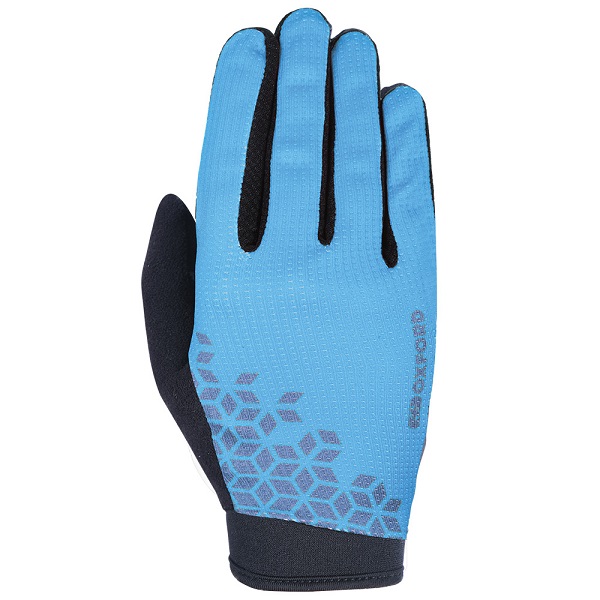
Whilst I would consider cycling gloves about as necessary as cycling socks, there are specific factors that could make cycling gloves incredibly necessary. Plus, in similar fashion to cycling socks, a decent pair of gloves will not cost more than £20.00, so are very affordable.
What if I have soft hands?
Yes, having particularly soft hands that aren’t used to regular heavy pressure and friction will increase your need for cycling gloves. If your handlebars are considerably worn, this will also have an impact on your hands potentially causing blisters and soars. The combination of cycling gloves and bar tape will offer a much more comfortable ride.
What if I am cycling in wet conditions?
Then cycling gloves become incredibly more necessary. 10% of all cycling accidents occur in the rain, considering the amount of cyclists on the road drops considerably in bad weather, this statistic is worth noting.

Wearing cycling gloves in wet weather will not only keep your hands warm and prevent them from going numb but will also offer increased grip when your handlebars become slippery in wet conditions.
In conclusion the recommendation is straight forward – when conditions are out of the ordinary, or when your ride distance exceeds 40 kilometers, you may find it necessary to use more cycling clothes than just a helmet. However on a dry mild day, a short ride only requires the essentials: a tested and durable cycling helmet.
Written by Aled Nelmes for bike parts supplier Mackadams Factors.
–
We’re Mackadams, the trade site for bike parts delivered fast. For more top tips from our bike experts, head over to our blog page or get in contact with us on 01686 611 370. Shop our full range of cleats, pedals, tools and bike trade parts on our website, available at trade price.