 Satisfaction Guarantee
 First Class Delivery
 Great Service & Quality

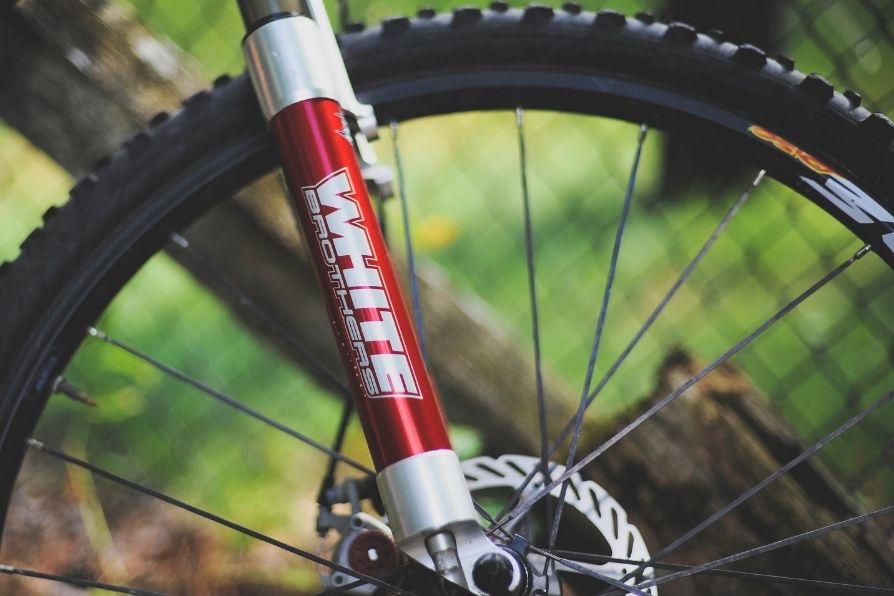
Brakes are designed to stop your bike, and fast. For this reason alone, it is crucial that you service them on a regular basis in order to maintain their condition and performance — and therefore your safety as the rider.
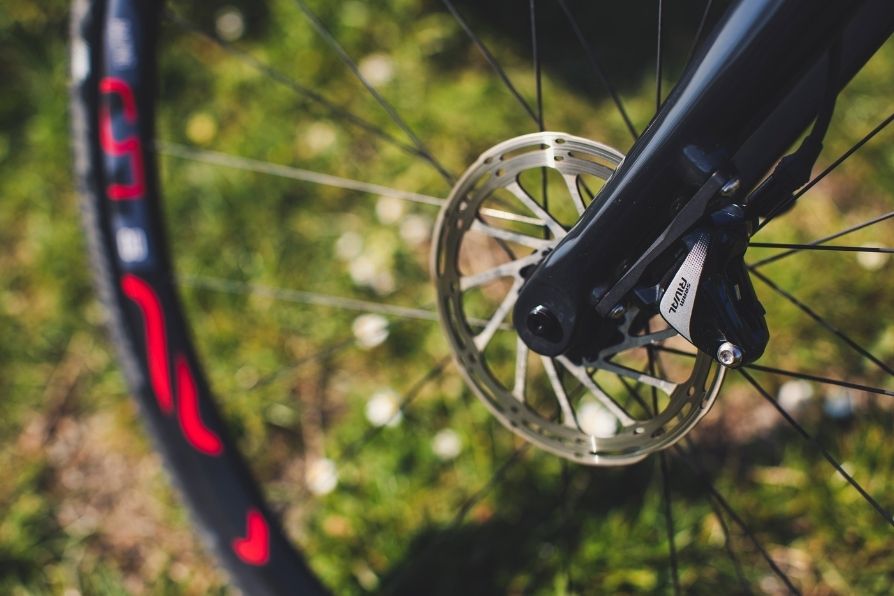
Disc brakes, in particular, generate a huge amount of stopping power in all weathers, making them a popular choice for a lot of cyclists. Riders need to put much less force on the lever before the bike comes to a halt, which leads to a decrease in muscle fatigue and improves overall comfort. Disc brake power can also be customised by exchanging the disc rotor for a rotor of a different diameter; the larger the rotor, the more powerful the brake.
So, how do you keep your disc brakes in tip-top condition? To service your disc brakes,
- Remove and clean rotors, pads and callipers.
- Check and clean pistons.
- Bleed brakes.
- Inspect brake cables.
You should also make the effort to check your brakes before every ride to ensure components are positioned and working well.
1. Clean Rotors, Pads and Calliper
If you have one, place your bike on a stand for a better (and safer) view of its parts. When in position, remove the brake rotors and pads from the calliper. You will also want to remove the wheel at this point for easier access to the calliper.
Then, clean the rotors with a dedicated disc brake cleaner and a microfibre cloth (or sponge). To maintain this between rides, invest in a pack of disc rotor wipes for a quick and convenient clean when and where your rotors need it.
Next, inspect your brake pads. If your pads have worn down to less than 1.5mm, it is time to replace them with new ones. If your pads just need a clean, repeat the step above: clean your brake pads with a dedicated cleaner and rub them down with medium coarse sandpaper to remove dirt build-up and stubborn marks.
You can then clean the calliper with hot water, soap and a sponge, but check with your manufacturer’s first. GCN Tech recommends spraying some isopropyl alcohol in there as well, as this can help give your callipers a more effective clean.
As you clean, make sure to keep all oil and lubricants away from your rotors, as these can cause the brakes to be less effective.
2. Check and Clean Pistons
The piston’s job is to move the pads in, but sometimes these can become sticky or stuck. The obvious sign of this is if the pads aren’t moving (which you should be able to see), or if one of the pads is wearing out faster than the other.
Pump the brake levers a few times, until about 4mm is advancing from the calliper, to service them. Avoid pumping the levers more than this, as the pistons can pop out. Then, clean the pistols with isopropyl alcohol and coat with a (very) small amount of grease, manoeuvring the pistons back into the calliper when you’re done.
You should avoid pulling the lever without the rotors in. As Cycling Weekly writes, “because of the self-adjusting nature of disc brakes, if you pull the levers without a rotor between the pads the pistons will fire, making it impossible to fit the disc between them when you go to place the wheel back in the bike.” You can fit a plastic spacer or folded cardboard between the pistons when the disc isn’t there to prevent this.
3. Bleed Brakes
If you find your brakes feel spongy or that there’s too much pull, you need to bleed your brakes. Each manufacturer will have their own recommended process which you should check but, in short, you will need a bleed syringe and hydraulic mineral oil to pump the old fluid out. You can purchase specific brake bleed kits with everything you need.
4. Inspect Brake Cables
If you have hydraulic disc brakes, inspect all hydraulic hoses and fittings for leaks.
Mechanical disc brakes use cables and housings just like rim brakes, and the cables can fray, rust and/or weaken over time. When this happens, this can cause a slow response when you pump the brake levers, so make sure the cables are in good condition and moving freely through their housings.
And there you have it — clean, quiet and working disc brakes! For more top tips from our bike experts, head over to our blog page or get in contact with us on 01686 611 370. We’re Mackadams, the trade site for bike parts delivered fast.